
If you work in sonography, chances are you have felt it at some point. A sore shoulder at the end of the day. Tingling in your wrist. Neck or back pain that slowly becomes part of your routine. According to industry data, more than 90 percent of sonographers experience work-related musculoskeletal disorders at some point in their careers. These injuries affect nerves, muscles, ligaments, and tendons, and they often develop quietly over time from repeated strain and poor positioning.
Work-related musculoskeletal disorders are one of the most common reasons for restricted or lost work time in sonography. Beyond missed shifts, the impact can be deeply personal. Some professionals find themselves unable to scan comfortably, perform routine tasks, or even manage everyday activities outside of work. That is why ergonomics is not just a recommendation. It is essential to career longevity and quality of life.
Understanding Work-Related Musculoskeletal Disorders
Work-related musculoskeletal disorders do not usually happen overnight. They develop gradually through repeated exposure to risk factors such as sustained reaching, awkward posture, excessive transducer pressure, and improper equipment setup. Over time, these stresses accumulate, leading to chronic pain or injury.
For sonographers, the repetitive nature of scanning, combined with long hours and demanding schedules, places the body under constant strain. Without proper ergonomic practices, even the most experienced professionals can find themselves dealing with preventable injuries.
Why Ergonomics Is a Shared Responsibility
Ergonomics in sonography is the responsibility of manufacturers, employers, and employees alike. Equipment should be designed with adjustability and user comfort in mind. Employers should support safe practices through education and proper workplace setup. Sonographers themselves play a critical role by using available tools correctly and advocating for their own well-being.
Industry standards for preventing work-related musculoskeletal disorders were developed following a 2016 census conference that brought together 26 sonography-related professional organizations, accreditation bodies, and manufacturers. The goal was clear. Create a detailed resource that, when implemented, could help reduce injury rates among those using sonographic equipment.
As part of these standards, employers are encouraged to offer annual education on musculoskeletal disorder risks and prevention and to perform regular ergonomic risk assessments within their facilities.
A Real-World Look at Ergonomic Adjustments
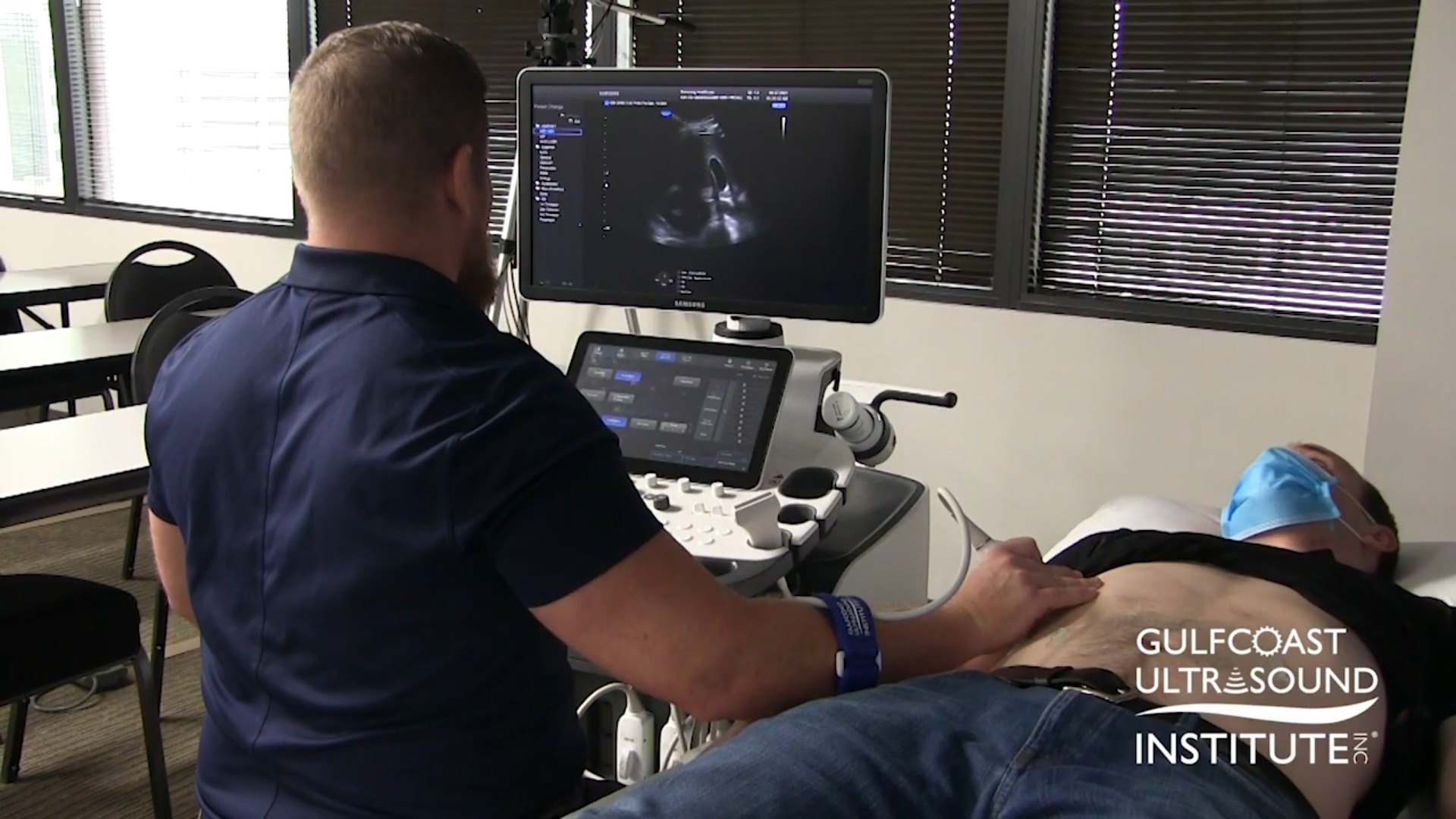
Imagine a typical scanning setup where the sonographer is leaning too far forward, reaching awkwardly, and abducting the arm beyond a safe range. At first glance, it may not seem like a major issue, but over time, this posture can lead to significant strain.
Simple adjustments can make a meaningful difference. Lowering the patient bed allows the sonographer to reduce arm abduction to 30 degrees or less, bringing the shoulder into a more neutral position. Asking the patient to move slightly closer minimizes forward lean and reach. Bringing the ultrasound system closer prevents excessive shoulder tension caused by reaching for controls.
When properly adjusted, the sonographer sits upright with a flat back, feet firmly planted on the floor, shoulders relaxed, and equipment within easy reach. These changes improve comfort immediately and reduce the risk of long-term injury.
Additional Ergonomic Considerations for Daily Practice
Monitor height plays an important role in reducing neck strain. Ideally, the imaging monitor should be at eye level or slightly below. Supplies should be organized on a cart or surface that can be easily moved closer to avoid unnecessary reaching.
Using a transducer cable brace can significantly reduce tension from the weight of the cable, easing strain on the wrist and shoulder. Sonographers should also be mindful to avoid sustained bending, twisting of the trunk, excessive neck movement, prolonged reach, excessive grip force, and static or awkward postures. Even uneven weight distribution while seated or standing can contribute to discomfort over time.
These adjustments may seem small, but together they create a safer and more sustainable work environment.
Your Daily Habits Make the Biggest Difference
While manufacturers and employers play important roles, it is your daily actions that truly matter most. You are the one who feels the effects of improper ergonomics firsthand. Staying informed, using the tools and resources available, and speaking up when something is missing can protect your body and your career.
Ergonomics is not about perfection. It is about awareness, consistency, and making thoughtful choices every time you scan. The more proactive you are, the better equipped you will be to enjoy a long, healthy career in sonography.
Take the Next Step in Your Ultrasound Education
Proper ergonomics is a skill that can be learned, practiced, and refined with the right education and support. If you want to deepen your understanding of sonography best practices and protect your future in the field, expert training makes all the difference.
Call the Gulfcoast Ultrasound Institute at Ph: 727-363-4500 for all of your ultrasound training needs. We’re conveniently located at 111 2nd Ave NE, #800, St. Petersburg, FL 33701.