
Gamekeeper’s thumb, AKA Skier’s thumb, an injury to the ulnar collateral ligament of the thumb, is more common than many people realize. It often shows up after a fall, a sports injury, or any forceful movement that pulls the thumb away from the hand. Accurate diagnosis matters because treatment can range from simple immobilization to surgical repair. Ultrasound has become a powerful tool for evaluating this injury in real time, offering clarity that physical exams alone cannot always provide.
Understanding the Role of Ultrasound in Skier’s Thumb
Ultrasound allows clinicians to visualize the soft tissue structures of the thumb directly at the point of care. In this instructional approach, a specialist walks through how ultrasound can be used to assess injuries involving the ulnar collateral ligament. The real advantage is the ability to see both anatomy and movement, helping practitioners determine not just whether a tear is present, but how severe it is. This level of detail can make a meaningful difference in patient outcomes.
Proper Patient Positioning for Accurate Imaging
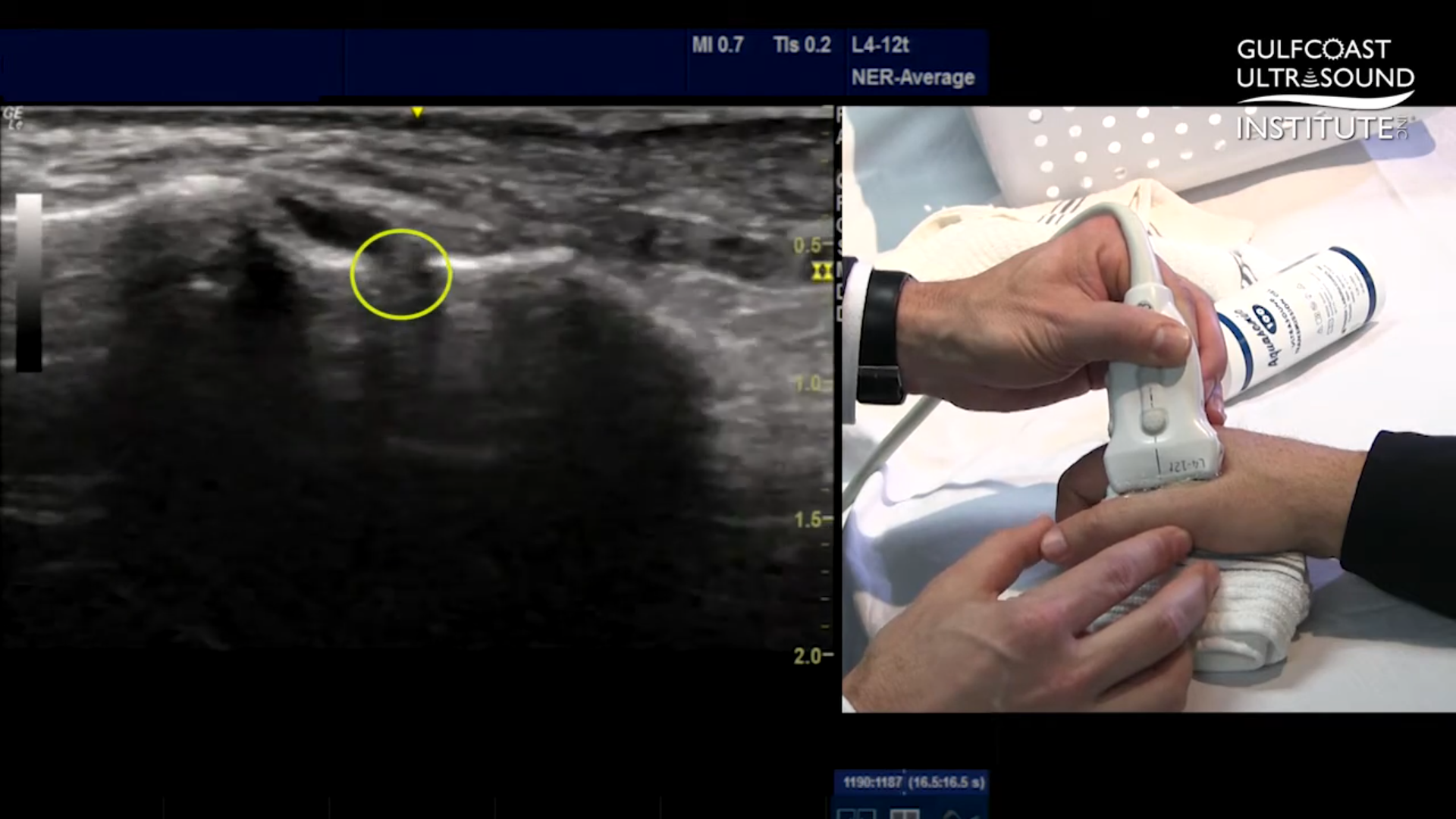
Getting a clear image starts with positioning. Practitioners are advised to place the patient’s hand over a rolled towel. This simple adjustment helps achieve an ideal coronal imaging plane for the transducer. When the hand is supported in this way, the structures of the thumb align more naturally, making it easier to identify subtle abnormalities. Small setup details like this often separate a frustrating scan from a successful one.
Key Visual Landmarks to Look For
During the scan, clinicians focus on specific bone contours and the position of the adductor aponeurosis. These landmarks are essential for distinguishing between a standard ulnar collateral ligament tear and a more complex Stenner lesion. A Stenner lesion occurs when the torn ligament becomes displaced and trapped, preventing natural healing. Ultrasound makes it possible to recognize this condition by observing how the ligament and surrounding tissues move or fail to move during the exam.
Using Dynamic Stress Techniques to Reveal Hidden Injuries
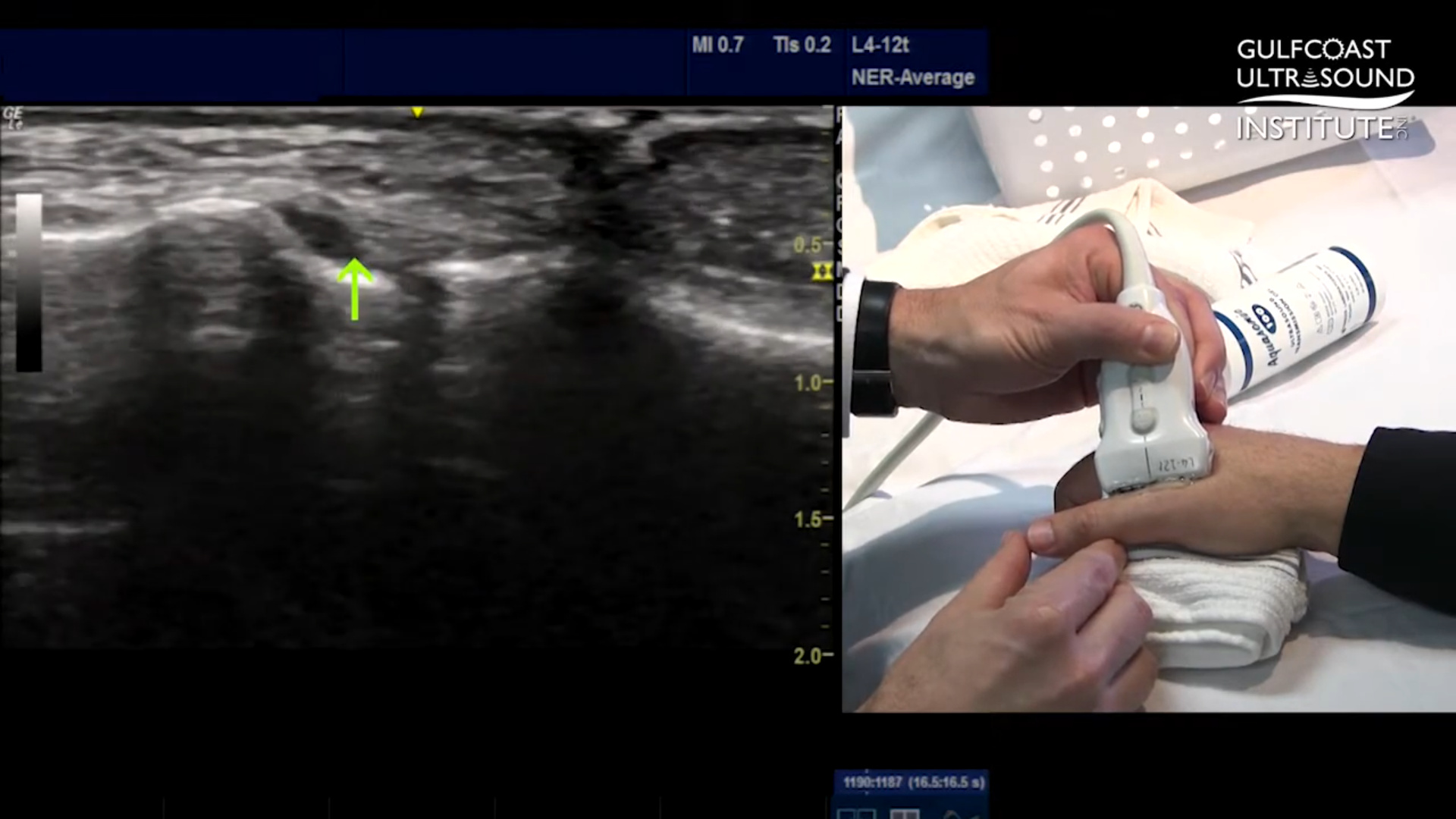
One of the most valuable aspects of ultrasound evaluation is the ability to perform dynamic testing. The tutorial highlights a stress technique that involves applying gentle pressure to the thumb joint while scanning. This maneuver can reveal fluid accumulation or joint widening that might not be visible at rest. In cases of partial or hidden ruptures, these subtle changes are often the key to an accurate diagnosis.
Why a Structured Ultrasound Approach Matters
By following clear visual landmarks and incorporating movement-based tests, clinicians can perform a thorough and reliable assessment of the thumb’s internal structures. This structured approach reduces uncertainty and supports better clinical decision-making. For patients, it means faster answers and a clearer path to recovery.
Take the Next Step in Your Ultrasound Training
Mastering musculoskeletal ultrasound takes hands-on training and expert guidance. If you want to build confidence in diagnosing injuries like skier’s thumb and many others, professional education makes all the difference. Call the Gulfcoast Ultrasound Institute at Ph: 727-363-4500 for all of your ultrasound training needs! We’re conveniently located at 111 2nd Ave NE, #800 St. Petersburg, FL 33701.